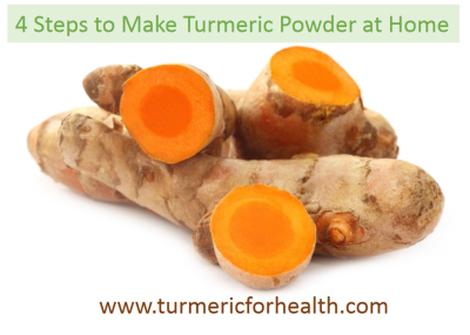
Unlock the Golden Goodness: Your Simple Guide to Making Fresh Turmeric Powder at Home
In a world increasingly focused on health and natural living, the desire to know exactly what goes into our food has never been stronger. Turmeric, often hailed as the "Golden Spice," is a staple in kitchens worldwide, celebrated for its vibrant color, distinctive earthy flavor, and powerful health benefits. While store-bought turmeric powder is convenient, there's a growing movement towards crafting our own spices from scratch. Learning how to make turmeric powder at home from fresh roots is a simple, rewarding process that guarantees purity, superior flavor, and a deeper connection to this incredible ingredient. This comprehensive guide will walk you through every step, ensuring you have the freshest, most potent turmeric powder at your fingertips.Why Choose Homemade Turmeric Powder? The Unmatched Benefits
The decision to make your own turmeric powder isn't just a fun DIY project; it's a choice for quality, health, and peace of mind. Here’s why homemade truly stands out:- Uncompromised Purity: One of the most compelling reasons to make your own turmeric powder is to avoid potential adulteration. Sadly, some commercial turmeric powders have been found to contain fillers, artificial colors, or even harmful substances like lead chromate, added to enhance color or increase bulk. When you prepare it yourself, you control every ingredient, ensuring a 100% pure product.
- Superior Flavor and Aroma: Freshly ground spices always taste better. The volatile oils responsible for turmeric's signature aroma and complex flavor degrade over time and with processing. By making your own from fresh roots, you capture these essential oils at their peak, resulting in a more vibrant and potent spice for your culinary creations.
- Maximized Potency: The active compound in turmeric, curcumin, is responsible for many of its acclaimed health benefits. While difficult to quantify precisely at home, processing fresh turmeric roots yourself ensures you're working with the whole, unadulterated root, theoretically maximizing the retention of beneficial compounds compared to mass-produced alternatives that may sit on shelves for extended periods.
- Cost-Effectiveness (for some): If you have access to fresh turmeric roots at a reasonable price, especially in bulk from local markets or if you grow your own, making your powder can be more economical in the long run than purchasing premium quality organic powder.
- Personal Satisfaction: There's immense joy and satisfaction in creating your own ingredients. From root to powder, the process connects you more deeply with your food and empowers you to make healthier choices for your family.
- Sustainable Practice: Reducing reliance on pre-packaged goods and utilizing fresh, seasonal ingredients can contribute to a more sustainable lifestyle.
Sourcing and Preparing Your Fresh Turmeric Roots
The journey to making excellent turmeric powder begins with selecting the right roots and preparing them properly.Finding Quality Fresh Turmeric
Fresh turmeric roots (often called "manjal kothu" in some regions) are increasingly available. Look for them in:- Asian and Indian grocery stores: They often have a steady supply.
- Health food stores: Many natural grocery stores carry fresh turmeric.
- Farmer's markets: Seasonal availability can be an excellent source for fresh, local roots.
- Your own garden: Turmeric can be grown in warm climates or as a container plant.
Initial Cleaning and Preparation
The first step is a thorough cleaning. Fresh turmeric often comes with soil clinging to it, so wash the roots meticulously under cold running water. A stiff brush can help remove stubborn dirt from all the nooks and crannies.
Next comes the question of peeling. You have a couple of options:
- Peeling: For the brightest color and smoothest powder, peeling the skin is recommended. The skin is thin, so a vegetable peeler or even a small spoon can be effective. Be warned: fresh turmeric will stain your skin and anything it touches yellow, so wearing gloves is highly advisable!
- Boiling (and skipping the peel): If peeling feels too tedious, especially for larger batches, you can boil the turmeric roots first. Simply place the washed, unpeeled roots (or chopped pieces) in a pot of water and boil until they are tender enough to pierce easily with a fork, typically 10-20 minutes depending on size. Boiling softens the roots, making them easier to chop and grind. The skin can then be left on, as it will dry and grind seamlessly into the powder, though it might result in a slightly earthier color and flavor.
After washing and deciding on peeling or boiling, chop the turmeric roots into small, uniform pieces. Roundels or thin slices work best, as smaller pieces dry more quickly and evenly, which is crucial for preventing mold.
The Step-by-Step Guide: How to Make Turmeric Powder at Home
Here’s the detailed process for transforming those vibrant fresh roots into a golden, aromatic powder.Step 1: Initial Grinding to a Coarse Paste
Once your turmeric is washed, peeled (or boiled), and chopped, it's time for the first grind. Transfer the small turmeric pieces into a high-powered blender or food processor. Add a very small amount of water – just enough to help the blades catch and create a coarse paste. Be mindful not to add too much, as this will prolong the drying process.
Grind until you achieve a thick, somewhat smooth paste. If you find yourself with excess liquid after blending, gently drain it into a separate bowl. This nutrient-rich turmeric water is excellent for cooking, adding a hint of flavor and color to curries, rice, or even drinking for its health benefits.
Step 2: The Critical Drying Process
This is arguably the most crucial step in making homemade turmeric powder, as insufficient drying will lead to mold and spoilage. The goal is to remove all moisture until the paste is brittle and completely dry.
- Sun Drying (Traditional Method): Spread the thick turmeric paste thinly and evenly on a large, clean plate, baking sheet, or drying screen. The thinner the layer, the faster it will dry. Place it in direct sunlight. Turn the paste periodically (once or twice a day) to expose all sides to the sun and air. Depending on your climate (humidity and sun intensity), this process can take anywhere from 1 to 3 days, or even longer in humid conditions. Bring the tray indoors overnight to protect it from dew or pests. The paste will gradually lighten in color and become hard and brittle.
- Dehydrator: If you own a food dehydrator, this is an excellent method for controlled drying. Spread the paste thinly on dehydrator trays lined with parchment paper or non-stick sheets. Set the temperature to around 110-120°F (43-49°C). This can take 12-24 hours or more, depending on the thickness of the paste and your dehydrator model.
- Oven Drying: For those without a dehydrator or consistent sunlight, an oven can be used. Preheat your oven to its lowest possible temperature (usually around 150-200°F or 65-93°C). Spread the turmeric paste thinly on parchment-lined baking sheets. Place the trays in the oven, leaving the oven door slightly ajar (you can prop it open with a wooden spoon) to allow moisture to escape. Stir or turn the paste every few hours. This method can take several hours, sometimes up to a full day, so monitor it closely to prevent scorching.
Crucial Tip: The turmeric paste must be absolutely, completely dry. It should feel hard, snap easily, and not have any moisture when broken apart. Any residual moisture will lead to mold development during storage.
Step 3: Final Grinding and Sieving
Once your dried turmeric is brittle and hard, it's time for the final grind. Break the dried turmeric pieces into smaller chunks if necessary and transfer them back to your high-powered blender or a dedicated spice grinder. Grind the pieces into a fine powder. This might take a few pulses and grinding cycles.
To achieve a uniformly fine powder, sieve the ground turmeric through a fine-mesh strainer. Any larger particles or fibrous bits that don't pass through the sieve can be returned to the grinder for a second round. Repeat until you have a consistently smooth powder.
Step 4: Storage
Transfer your freshly made turmeric powder into a clean, airtight container. Glass jars with tight-fitting lids are ideal. Store the container in a cool, dark place, away from direct sunlight and heat. Stored properly, your homemade turmeric powder can retain its vibrant color, potent flavor, and beneficial properties for up to one year.
For additional guidance on enhancing flavor and detailed steps, check out: Unlock Flavor: Easy Steps to Make Turmeric Powder from Fresh Roots.
Beyond the Kitchen: Versatile Uses for Your Homemade Turmeric Powder
Your homemade turmeric powder is a truly versatile ingredient, ready to elevate various aspects of your life.Culinary Delights
Naturally, the primary use for your turmeric powder is in cooking. Its warm, earthy notes and beautiful golden hue are perfect for:
- Curries and Stews: A fundamental spice in countless dishes worldwide.
- Golden Milk (Turmeric Latte): A comforting and anti-inflammatory beverage.
- Smoothies and Juices: Add a pinch for a health boost.
- Roasted Vegetables: Sprinkle over potatoes, cauliflower, or chickpeas before roasting.
- Rice Dishes: Infuse rice with a vibrant color and subtle flavor.
- Marinades and Rubs: Perfect for chicken, fish, or tofu.
Wellness and Skincare Applications
Beyond the plate, turmeric's anti-inflammatory and antioxidant properties make it popular in home remedies and beauty routines:
- Turmeric Shots: Combine with ginger, lemon, and a pinch of black pepper for a potent health shot.
- Face Masks: Mixed with honey, yogurt, or milk, turmeric powder can create a brightening and anti-inflammatory face mask (be mindful of potential temporary staining on very fair skin).
- Spot Treatments: A paste with water can be applied to blemishes.
